Wednesday, 16 August 2017

Ovarian Cancer Treatment in Pune


Cancer occurs when cells in an area of the body grow abnormally.
Ovarian cancer is the seventh most common cancer among women.
There are three types of ovarian cancer:
(1) epithelial ovarian cancer
(2) germ cell cancer and
(3) stromal cell cancer.
  • Epithelial ovarian cancer is the most common and accounts for 85 percent to 89 percent of ovarian cancers. It forms on the surface of the ovary in the epithelial cells.
  • On the other hand, germ cell cancer is an uncommon form of ovarian cancer, accounting for only about five percent of ovarian cancers.Germ cell cancers start in the cells that form the eggs in the ovaries. This cancer is usually found in adolescent girls and young women, and usually affects only one ovary. Please visit the Women’s Cancer Network
  • Stromal cell cancer starts in the cells that produce female hormones and hold the ovarian tissues together. Familial breast-ovarian cancer syndrome is a common inherited condition that causes 10 percent of all ovarian cancers and 5–10 percent
of all breast cancers. Research confirms that there is a link between breast and ovarian cancer. Any woman who has had one of these cancers is at a higher risk for developing the other.

Monday, 10 July 2017

Risk factors of head and neck cancer

Risk factors for head and neck cancer


Smoking cigarettes, cigars or pipes:
Smoking tobacco increases the risk of developing many types of head and neck cancer, including mouth cancers, throat cancers and cancer of the voice box. The more cigarettes someone smokes, and the more years they smoke for, the higher the risk.


 Chewing tobacco or betel quid (paan):
Chewing tobacco or betel quid increases the risk of developing mouth cancer.


Alcohol:
Drinking alcohol is linked to cancers of the mouth and throat. The more alcohol a person drinks, and the greater number of years they drink for, the higher the risk.
Alcohol and tobacco combined greatly increase the risk of head and neck cancer. People who both smoke and drink heavily over several years have the highest risk of developing head and neck cancers.


  Human papillomavirus (HPV) infection:
Cancers at the back of the tongue and in the tonsils (cancers of the oropharynx) have become more common over the past 20 years.
Many of these cancers are linked to infection with a type of virus called human papillomavirus 16 (HPV 16). It’s thought that one of the main ways this virus spreads to the mouth and throat is through oral sex. The risk of infection goes up with increasing numbers of oral sex partners.


 Diet:
A diet that’s high in animal fats and low in fresh fruit and vegetables may increase the risk of developing head and neck cancer. Some types of salted fish that may be eaten as part of a Chinese diet can increase the risk of developing cancer of the nasopharynx.


Sunlight:
Exposure to sunlight over a prolonged period of time increases the risk of developing cancer on the outside of the lip. About 1 in 3 people diagnosed with lip cancer work outdoors.


  Exposure to chemicals:
Prolonged exposure to some types of dust and certain chemicals increases the risk of developing cancers of the nasopharynx and sinuses. Hardwood dust, leather dust and formaldehyde (found in MDF dust) are linked to some cancers of the nasopharynx and sinuses.


  Pre-cancerous conditions:
Pre-cancerous conditions of the mouth, such as oral submucosal fibrosis, leukoplakia, and erythroplakia (white or red patches in the mouth often linked to tobacco use), increase the risk of cancer developing in the mouth.


  Family history:
There may be a slightly higher risk of developing a head and neck cancer if you have a close relative (a parent, brother, sister or child) who has had a head and neck cancer.  Dr. Snita Sinukumar is one of the best for  head and neck cancer treatment in Pune.

Read more at- http://www.cancerspecialistpune.com/head-and-neck-cancer-treatment-in-pune/
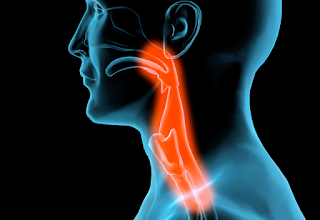

Head And Neck Cancer Treatment in Pune
Head and Neck Cancer 


Thursday, 6 July 2017

Breast Cancer Treatment in Pune

Breast Cancer is the most common form of cancer among Indian women. Three-fourths of the cases of breast cancer occur in women ages 35 and 55 years

Each breast has 15 to 20 sections called lobes. Within each lobe are many smaller lobules. Lobules end in dozens of tiny bulbs that can produce milk.
The lobes, lobules and bulbs are all linked by thin tubes called ducts.These ducts lead to the nipple in the center of a dark area of skin called the areola.
Fat surrounds the lobules and ducts.There are no muscles in the breast, but muscles lie under each breast and cover the ribs.
These normal features can sometimes make the breasts feel lumpy, especially in women who are thin or who have small breasts.
Each breast also contains blood vessels and lymph vessels.
The lymph vessels carry colorless fluid, called lymph, and lead to small bean-shaped organs called lymph nodes.
Clusters of lymph nodes are found near the breast under the arm (in the axilla), above the collarbone, and in the chest.
Lymph nodes arealso found in many other parts of the body. Over her lifetime, a woman can encounter a broad variety of breast conditions.
These include normal changes that occur during the menstrual cycle as well as several types of benign (noncancerous) lumps.
What they have in common is that they are not cancer. Even for breast lumps that require a biopsy, some 80 percent prove to be benign.

Breast Cancer Treatment in Pune

Read more at: Breast Cancer Treatment in Pune 

Wednesday, 28 June 2017

Women's Cancer Treatment in Pune

Ovarian Cancer: An Overview
Cancer occurs when cells in an area of the body grow abnormally.

Ovarian cancer is the seventh most common cancer among women.

There are three types of ovarian cancer:

(1) epithelial ovarian cancer

(2) germ cell cancer and

(3) stromal cell cancer.

Epithelial ovarian cancer is the most common and accounts for 85 percent to 89 percent of ovarian cancers. It forms on the surface of the ovary in the epithelial cells.
On the other hand, germ cell cancer is an uncommon form of ovarian cancer, accounting for only about five percent of ovarian cancers.Germ cell cancers start in the cells that form the eggs in the ovaries. This cancer is usually found in adolescent girls and young women, and usually affects only one ovary. Please visit the Women’s Cancer Network
Stromal cell cancer starts in the cells that produce female hormones and hold the ovarian tissues together. Familial breast-ovarian cancer syndrome is a common inherited condition that causes 10 percent of all ovarian cancers and 5–10 percent
of all breast cancers. Research confirms that there is a link between breast and ovarian cancer. Any woman who has had one of these cancers is at a higher risk for developing the other.

Read more at : http://www.cancerspecialistpune.com/ovarian-cancer/

Tuesday, 13 June 2017

What is Cancer


 Cancer is abnormal and uncontrolled multiplication of cells. Normally the multiplication of cells is very systematically controlled by genetically controlled mechanisms based on bodies’ requirement. However, when one or few cells come out of this control mechanism and start multiplying that is called cancer. As the cells multiply without control, they spread to various parts of the body.

There are more than 200 types of cancers. Cancer can affect any organ in the body. However, some organs are affected more commonly than others. The most common organs affected include breast, colon & stomach. This also depends on the race and habits. Cervical cancer and mouth cancers are more common among Indians. Prostate cancer is more common among people of African origin.

Cancer can be cured if detected early. You have to be aware of your body. Look at any changes that occur so that you can approach your doctor when you notice something that needs attention.

Click here for more : Cancer Specialist in Pune

Wednesday, 19 April 2017

Colorectal Cancer

  • Colorectal cancer is a cancer that starts in the rectum or colon, which is the large intestine. Both of these organs are in the lower portion of your digestive system. The colon is also known as the large intestine, and the rectum is at the end of the colon.
  • The colon and rectum, which together form the large bowel, perform vital functions in the last phases of digestion.
  • Digestion first begins in the mouth where food is chewed into smaller pieces and swallowed. The food travels down the esophagus to the stomach where it is further broken down by gastric juices and sent to the small intestine.
  • The small intestine continues to break down the content  in addition to absorbing most of the nutrients, including carbohydrates, proteins and vitamins.
  • Once the contents have passed through the small intestine, the material
    has become mostly liquid and is moved into the colon, which measures about 5 ½ feet long.
  • The main function of the colon is to absorb water and dehydrate the leftover material, forming semi-solid matter, or stool. The colonmoves the stool into the approximately 6-inch long rectum, which acts as a holding chamber, until it is ready to be expelled through the anus.

There are some factors that may increase your risk of developing colorectal cancer:
Unavoidable Factors
Some factors that increase your risk of getting colorectal cancer are unavoidable. Getting older is one of them. Your chances of developing the cancer increase after you reach the age of 50. Some other unavoidable risk factors are:
  • a prior history of colon polyps
  • a prior history of bowel diseases
  • a family history of colorectal cancer
  • having a genetic syndrome, such as familial adenomatous polyposis (FAP)
  • being of Eastern European Jewish or African-American descent
Avoidable Factors
Some risk factors for colorectal cancer are:
  • being overweight or obese
  • smoking
  • a heavy use of alcohol
  • having type 2 diabetes
  • having a sedentary lifestyle
  • consuming a diet high in processed foods or red meats
Click for more : Cancer Specialist in Pune

Monday, 17 April 2017

Stomach Cancer

  • Stomach cancer is cancer that occurs in the stomach — the muscular sac located in the upper middle of your abdomen, just below your ribs. Your stomach receives and holds the food you eat and then helps to break down and digest it.
  • Another term for stomach cancer is gastric cancer. These two terms most often refer to stomach cancer that begins in the mucus-producing cells on the inside lining of the stomach (adenocarcinoma). Adenocarcinoma is the most common type of stomach cancer

Risk Factors
  • A diet high in salty and smoked foods
  • A diet low in fruits and vegetables
  • Eating foods contaminated with aflatoxin fungus
  • Family history of stomach cancer
  • Infection with Helicobacter pylori
  • Long-term stomach inflammation
  • Pernicious anemia
  • Smoking
  • Stomach polyps

Syomptms
  • Fatigue
  • Feeling bloated after eating
  • Feeling full after eating small amounts of food
  • Heartburn that is severe and persistent
  • Indigestion that is severe and unrelenting
  • Nausea that is persistent and unexplained
  • Stomach pain
  • Vomiting that is persistent
  • Weight loss that is unintentional


Click here for more : Cancer Specialist in Pune